

Home > Video Library
Overview
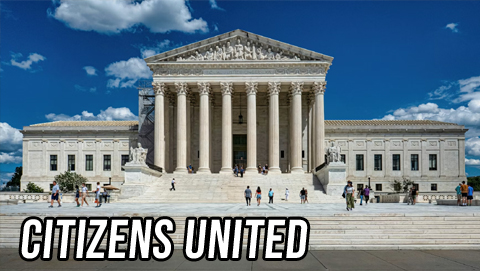
Should there be limits on free speech? If so, what should those limits be? Why? Should people be allowed to spew hate? Highlighting cases in Brazil, Canada, Scotland, and the United States, this video examines the proper and improper responses to hate speech.


Join our mailing list to unlock immediate access to these resources. You may unsubscribe at any time. If you’ve previously unsubscribed, your status will remain unchanged.
To help ensure our emails reach your inbox, you may provide a personal email address to bypass school spam filters.
Grade level and subjects
• Recommended for grades 6-12
• Subjects: Government and Other
• Works in Classroom, Hybrid, and Homeschool settings
What students will learn
By the end of this lesson, students will be able to:
• s ummarize how speech has been banned in three countries discussed in the v ideo;
• evaluate the importance of protecting speech, including speech we disagree w ith;
• hypothesize the consequences of hate speech laws on the discussion of political and controversial topics; and
• formulate a reasoned argument on whether certain types of speech should be restricted, ensuring to consider the need to protect opposing viewpoints.
Key concepts and terms covered
Censorship, Hate Speech, and Imminent Lawless Action.
Sample discussion questions
• What are some examples of hate speech laws that were mentioned in the video?
• Ezra Levant was tried and convicted for using hate speech, which he says was simply a book criticizing Canadian Prime Minister Justin Trudeau. Should that have happened? Why / Why not?
• What are the arguments for and against making certain types of speech illegal?
• What is your opinion on the statement: “Even hateful speech should be protected”? Explain your reasoning.
• What could be the long-term social and political consequences if a government significantly restricts what its citizens are allowed to say?
What’s in the free teacher’s guide
This printable 17-page Teacher's Guide includes a lesson description, learning objectives, key vocabulary, a fill-in viewing guide with answer key, discussion and analysis questions, and classroom activities.
Standards alignment
Aligned to state standards — use the SITC Standards Tool to match this video to the standards in your state.