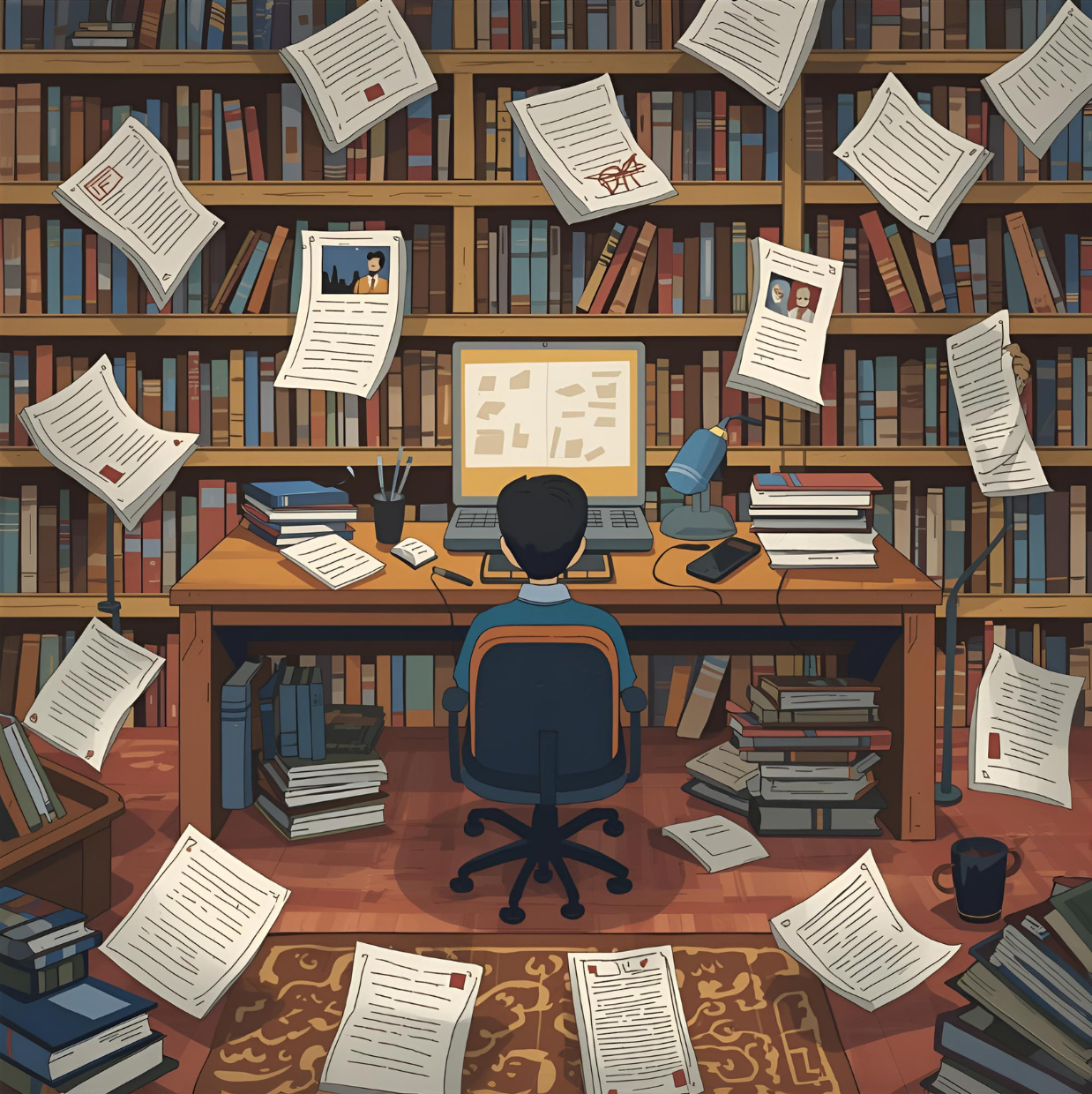
Primary sources are more than words on old paper — they’re firsthand accounts of people who wrestled with ideas, choices, and challenges that still shape our lives today. When teachers invite students to explore them creatively, these documents transform from historical evidence into living stories that build curiosity, empathy, and critical thinking.
Here are a few ways to make those voices from the past come alive in your classroom.
- Pair Old Words with New Voices
Ask students to reinterpret a primary source through a modern lens.
- Have them write a brief op-ed or record a short video explaining how a quote from The Federalist Papers or Letters from Abigail Adams relates to a current issue.
- Encourage students to identify parallels between the past and the present — What did “liberty” mean then? What does it mean now?
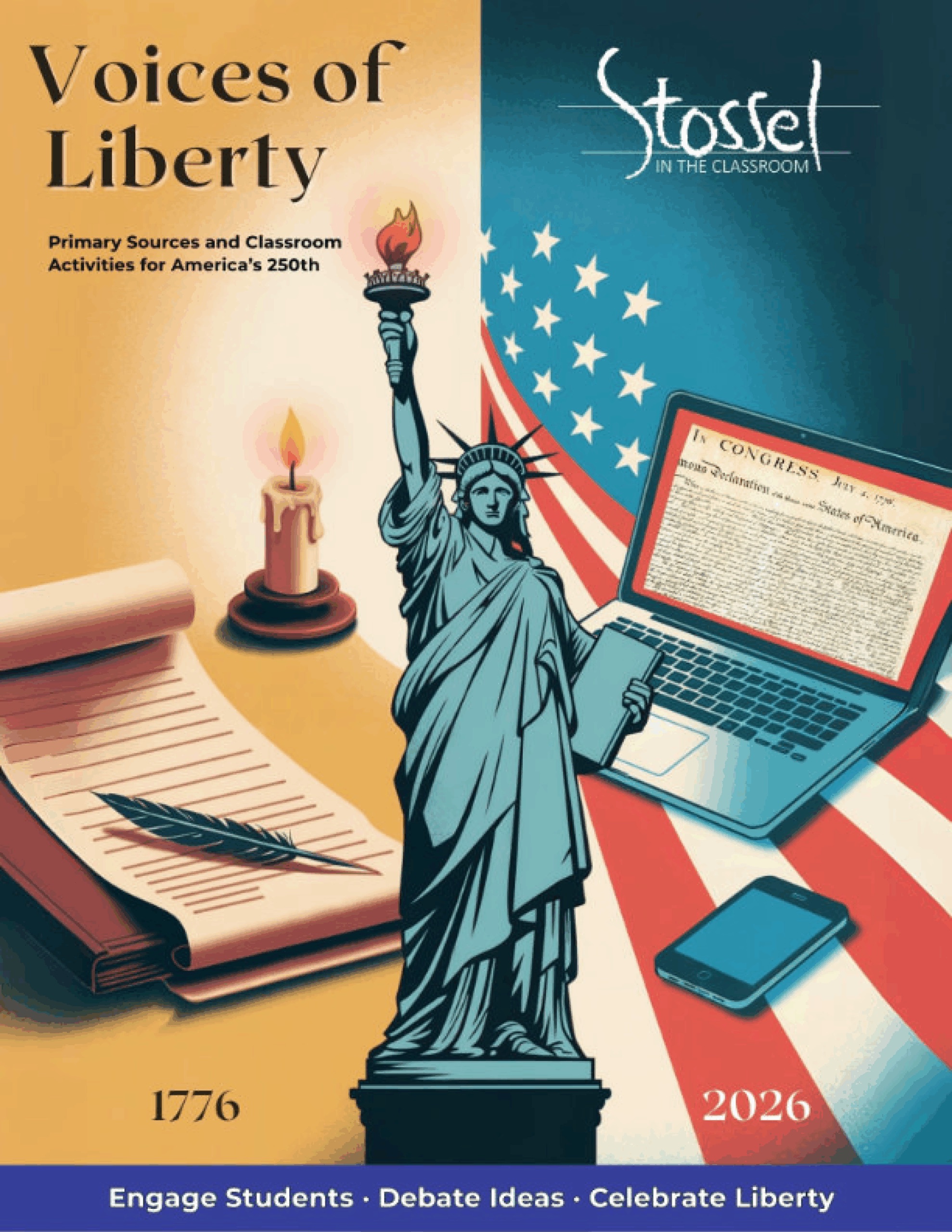
Need inspiration? Try the Voices of Liberty resource, which presents key primary documents with context, modern translations, and classroom tools that help students grasp not just the text — but why it still matters.
- Use Creative Formats for Primary Source Analysis
Move beyond the worksheet. Let students analyze sources through:
- Graphic novels: Students illustrate a scene from the Declaration of Independence or The Emancipation Proclamation.
- Podcast-style interviews: One student “interviews” a historical figure based on a primary text while another plays the role of the guest.
- “Then vs. Now” social media posts: Students create mock social posts comparing historical debates (like Federalists vs. Anti-Federalists) to modern ones.
For creative classroom examples, the Library of Congress Teaching with Primary Sources site offers free tools and inspiration.
- Make It Personal: Students as Historical Detectives
Give students a mystery to solve using a set of primary documents — letters, newspaper excerpts, maps, or speeches.
For example:
“You’re a reporter in 1776. Your job is to figure out why the colonies want independence. You have 30 minutes to review these documents and write your headline story.”
This approach builds critical thinking, evidence-based reasoning, and communication skills — the same habits of mind historians (and journalists) use every day.
 MiniGuide (includes Discussion Questions)
 Teacher’s Guide
 Google Quiz
 Printable Quiz
 Kahoot
 Video Download