


Home > Video Library
Overview
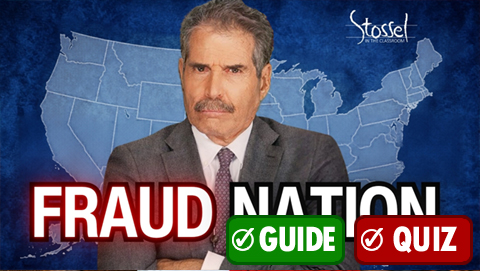
Was life really easier in the “good old days?” John Stossel tests that belief by comparing past and present costs, homes, jobs, and wages. With clear data, he shows that while prices seem higher now, Americans enjoy bigger homes, better cars, cheaper travel, and more opportunities—challenging the idea that nostalgia tells the full story and encouraging students to think critically about how feelings and evidence shape their view of progress.



Join our mailing list to unlock immediate access to these resources. You may unsubscribe at any time. If you’ve previously unsubscribed, your status will remain unchanged.
To help ensure our emails reach your inbox, you may provide a personal email address to bypass school spam filters.


Grade level and subjects
• Recommended for grades 6-12
• Subjects: Economics and Other
• Works in Classroom, Hybrid, and Homeschool settings
What students will learn
By the end of this lesson, students will be able to:
• identify key claims made in the video about life in the “good old days” versus today;
• compare historical and current data on housing, wages, and consumer goods presented in the video;
• evaluate how feelings, nostalgia, and evidence influence people’s beliefs about the past; and
• construct an argument about whether living standards have improved or declined, supported by evidence from the video and other sources.
Key concepts and terms covered
Inflation-adjusted, Inequality, Prosperity, and Standard of living.
Sample discussion questions
• What is the main myth this video talks about?
• Why might people believe life was easier in the “good old days?”
• Why does the economist in the video say we are better off now?
• Do you think people today measure prosperity differently than past generations? Why or why not?
• Why do you think people often believe claims about the past without checking the evidence?
What’s in the free teacher’s guide
This printable 23-page Teacher's Guide includes a lesson description, learning objectives, key vocabulary, a fill-in viewing guide with answer key, discussion and analysis questions, classroom activities, and the full video transcript.
Standards alignment
Aligned to state standards — use the SITC Standards Tool to match this video to the standards in your state.