 MiniGuide (includes Discussion Questions)

Want More Resources Like This?
Get new videos and resources delivered to your inbox. Always free. Unsubscribe anytime.
Want More Resources Like This?
Get new videos and resources delivered to your inbox. Always free. Unsubscribe anytime.

Home > Video Library
Overview
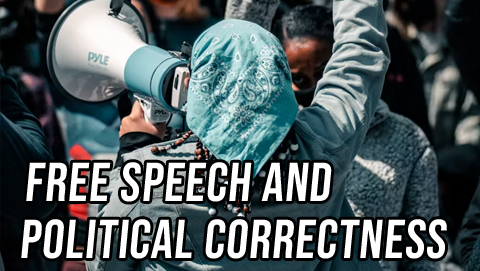
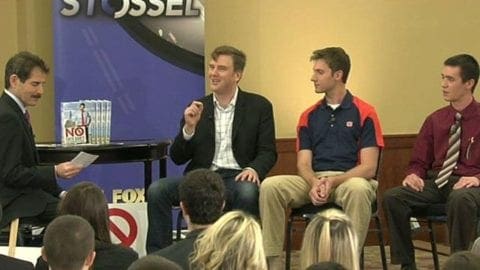
What is going on at colleges across America? These institutions of higher education were once bastions of free speech, where different views and ideas could be discussed openly. Now, many students want to silence those with whom they disagree by claiming they are offended. Are they really just sensitive people? This segment looks at the debate over censorship on college campuses.

Join our mailing list to unlock immediate access to these resources. You may unsubscribe at any time. If you’ve previously unsubscribed, your status will remain unchanged.
To help ensure our emails reach your inbox, you may provide a personal email address to bypass school spam filters.

Grade level and subjects
• Recommended for grades 6-12
• Subjects: Other
• Works in Classroom, Hybrid, and Homeschool settings
What students will learn
By the end of this lesson, students will be able to:
• explain how rules that are enacted with good intentions can have negative consequences;
• discuss the pros and cons of free speech;
• explain the importance of free speech in a democratic society;
• evaluate the choices between having free speech and feeling “safe.”; and
• assess the potential consequences—intended and unintended—of prohibiting speech that some people find offensive.
Key concepts and terms covered
Heckler’s Veto.
Sample discussion questions
• What does it mean that we have “free speech”?
• Should people who are offended by certain views be able to stop others from expressing those views? What else could they do?
• Do people have a right to feel comfortable? Can you find that in the Constitution? Does the desire to feel comfortable override people’s right to free speech?
• If stealing people’s signs or shouting down opposing views is acceptable, how will that affect discussion and debate of important cultural, economic, or political debates?
• “Sunlight is said to be the best of disinfectants,” wrote U.S. Supreme Court Justice Louis Brandeis. How could that quote apply to the issue of speech codes on college campuses? 9
What’s in the free teacher’s guide
This printable 11-page Teacher's Guide includes a lesson description, learning objectives, key vocabulary, a fill-in viewing guide with answer key, discussion and analysis questions, and classroom activities.
Standards alignment
Aligned to state standards — use the SITC Standards Tool to match this video to the standards in your state.
 Teacher’s Guide
 Google Quiz
 Printable Quiz
 Kahoot
 Video Download