
Quick Tip – Use SITC’s Why Government Can’t Build Things and Lessons in Lyrics: “No Such Thing as a Free Lunch.”
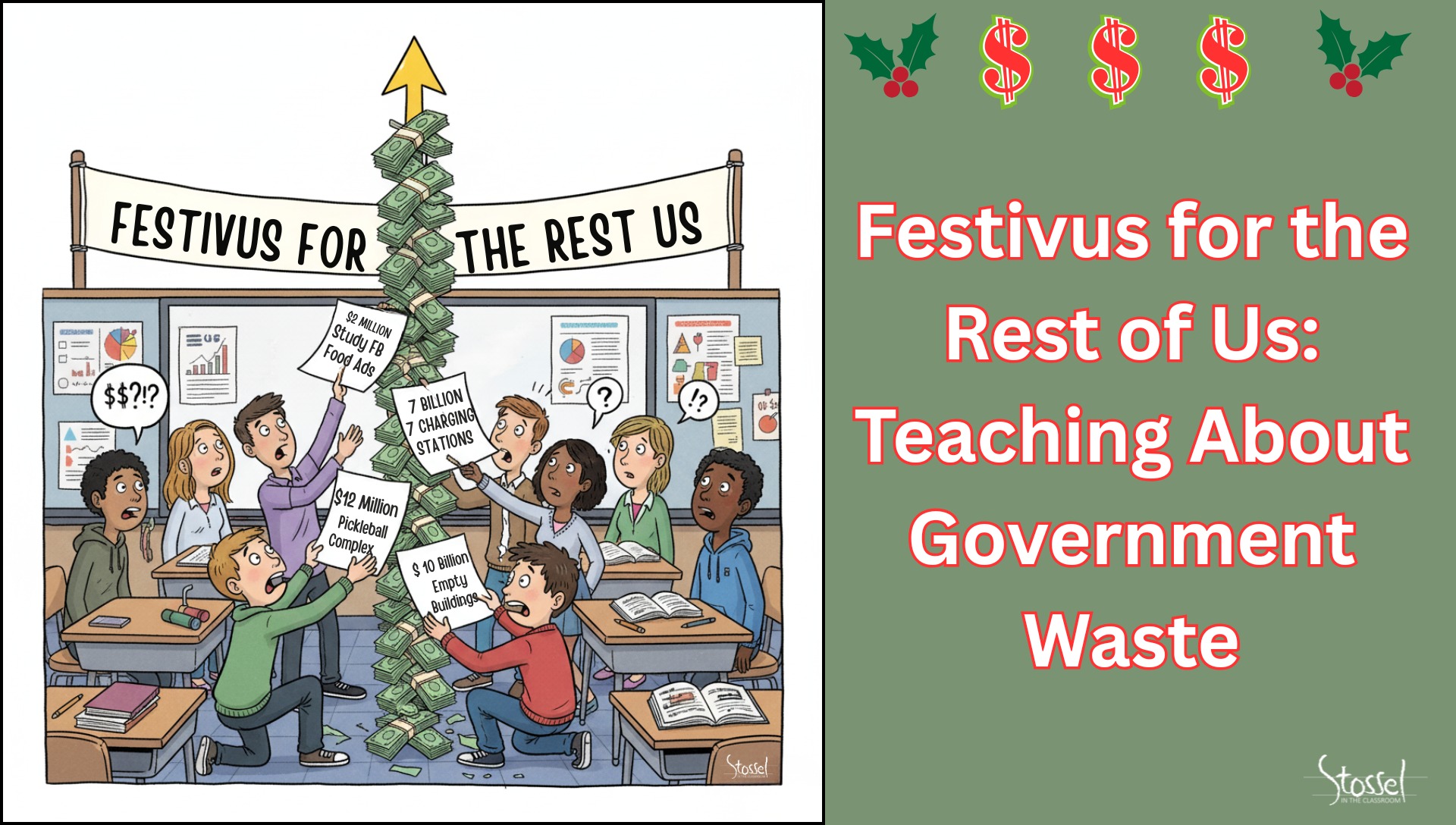
For educators, the Festivus Report isn’t just entertainment, it’s a teachable moment. It offers real-world examples of economic principles that can be hard to grasp in the abstract: incentives, accountability, and efficiency. It pairs perfectly with our video Why Government Can’t Build Things, which explores why taxpayer-funded projects like broadband, chip factories, and electric-vehicle charging stations so often fail to deliver on their promises.
Subscribe Now to Stay in the Loop
Stay updated on new videos, fresh resources, and student contest announcements.
You can also connect this theme to our Lessons in Lyrics videos, “No Such Thing as a Free Lunch.” While students may laugh at the idea of “free” lunches, the song’s lyrics drive home a deeper point: someone always pays. Whether it’s the taxpayer funding government programs or future generations like your students themselves bearing the cost of debt, every “free” benefit has a tradeoff. Linking these two videos helps students see that government inefficiency isn’t just about waste, it’s about hidden costs and unintended consequences that ripple through the economy.
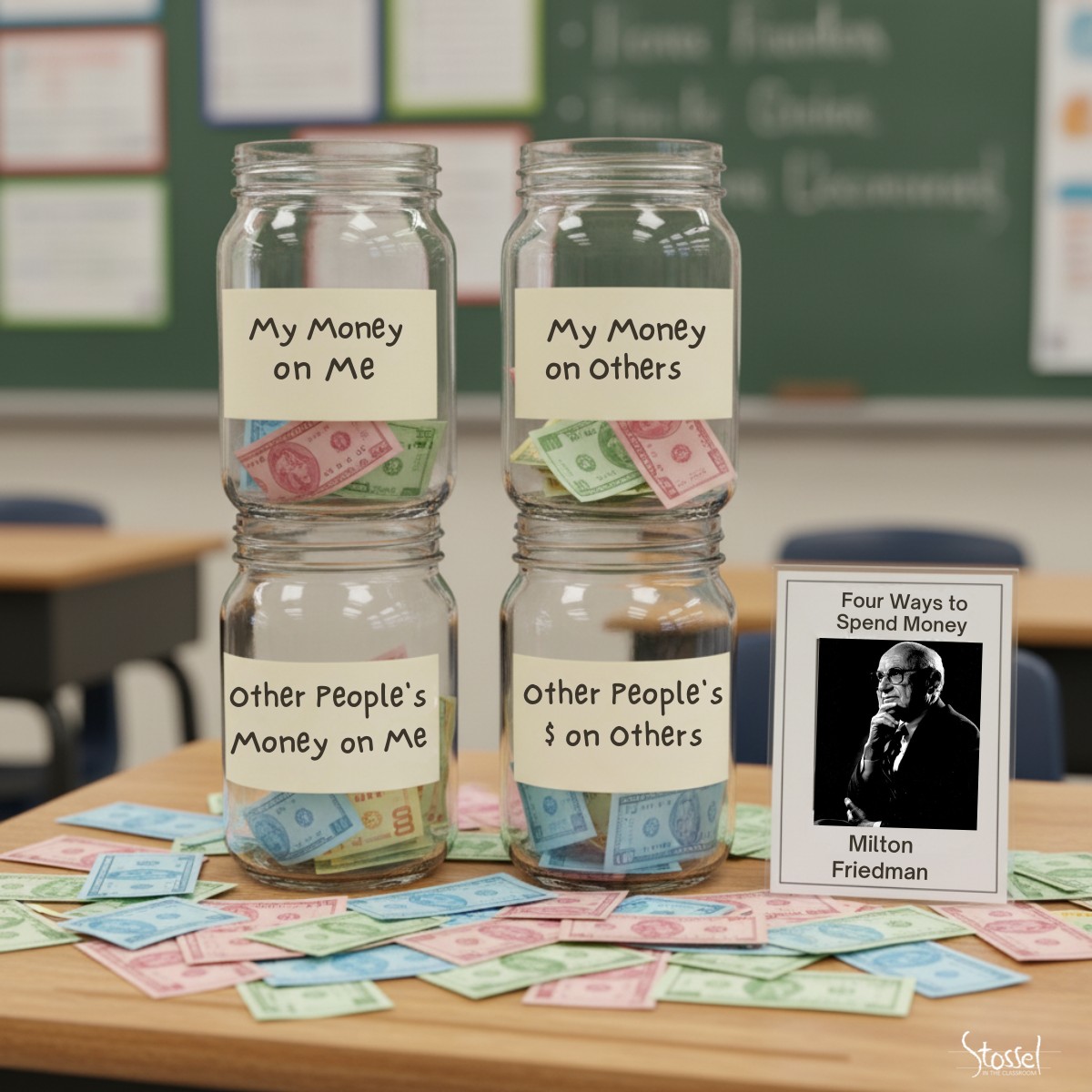
In the classroom, you can start by showing students information from the Festivus Report and asking: How did this project get approved? Who benefits? Who pays? Then, connect those questions to key ideas from both videos—bureaucracy, political favoritism, and Milton Friedman’s classic insight:
“Very few people spend other people’s money as carefully as they spend their own.”
If your class enjoys a little healthy, respectful debate, divide students into teams to defend or denounce a project from the Festivus Report. Encourage them to research the original intent of the spending, potential benefits, and opportunity costs. This approach helps them see that “waste” isn’t always simple but accountability always matters.
By pairing Rand Paul’s Festivus Report with Why Government Can’t Build Things and No Such Thing as a Free Lunch, teachers can turn a humorous year-end tradition into a meaningful lesson about incentives, efficiency, and civic responsibility. Students will come away with a clearer understanding of how good intentions can collide with bad incentives and why citizens play a vital role in keeping government spending in check.
So this holiday season, as the Festivus pole goes up and the grievances are aired, bring some fiscal festivity into your classroom. After all, what better gift can we give students than the tools to think critically about where their tax dollars go?
Classroom Quick Tips
- Start with the laughs: Show students a few highlights from Rand Paul’s Festivus Report to grab attention and introduce the idea of government waste.
- Pair with video learning: Use SITC’s Why Government Can’t Build Things and “No Such Thing as a Free Lunch” to connect real examples of waste to broader ideas about incentives, hidden costs, and efficiency.
- Make it hands-on: Try the “Uncle Sam Tax Collector” activity with play money and Friedman’s Four Ways to Spend Money to demonstrate who spends, on what, and why it matters.
- Encourage reflection: Have students debate, journal, or research one project they’d cut or keep, and explain why.

Wrapping Up the Season of Spending
Whether your students end up laughing at the absurdity of wasteful spending or debating the real cost of “free” programs, they’ll be practicing the kind of critical thinking and civic awareness that lasts long after the holidays. Lessons like these remind students that economics isn’t just about money, it’s about choices, tradeoffs, and accountability.
And who knows? Maybe a few of them will grow up to help government spend a little more wisely next time. Until then, happy Festivus, and may your classroom debates be lively, thoughtful, and free of unnecessary red tape.