 MiniGuide (includes Discussion Questions)

Want More Resources Like This?
Get new videos and resources delivered to your inbox. Always free. Unsubscribe anytime.
Want More Resources Like This?
Get new videos and resources delivered to your inbox. Always free. Unsubscribe anytime.

Home > Video Library
Overview
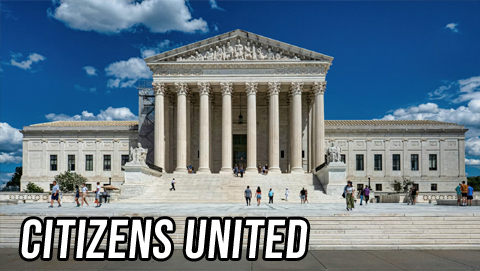
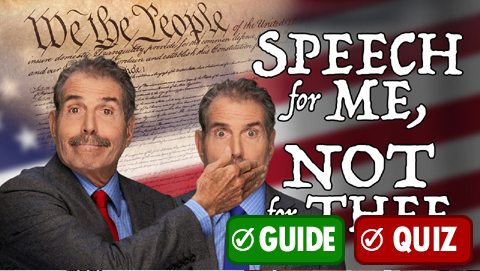
What happens when government officials use their power to try to silence their enemies? Where does campaign finance reform begin and our free speech end? This segment looks at one attempt by political insiders to silence their opponents.

Join our mailing list to unlock immediate access to these resources. You may unsubscribe at any time. If you’ve previously unsubscribed, your status will remain unchanged.
To help ensure our emails reach your inbox, you may provide a personal email address to bypass school spam filters.

Grade level and subjects
• Recommended for grades 6-12
• Subjects: Government
• Works in Classroom, Hybrid, and Homeschool settings
What students will learn
By the end of this lesson, students will be able to:
• explain John Doe investigations;
• discuss the short term and long term results of the John Doe investigations in Wisconsin; and
• evaluate laws that regulate political activities, John Doe investigations, and the impact of both on free speech. Preview Activity Questions: In political campaigns, candidates and their supporters and opponents express their views. To get their views known, they raise and spend money on advertisements. What limits should there be on either the money they raise or spend, or on the views they espouse? Use Think, Pair, Share to have students answer the preview question. After a few minutes, poll the students. Ask the students to explain their answers.
Key concepts and terms covered
Colluding and John Doe Investigation.
Sample discussion questions
• What were the people in the video accused of doing?
• Is it hard to imagine people in government using their power to go after their political opponents? Why/ Why not?
• A John Doe investigation is meant to protect innocent people. Is that how it worked in Wisconsin? Whom did the John Doe investigation protect? From what?
• How can a person defend himself if he isn’t allowed to speak to anyone?
• Is it conceivable that campaign finance laws are meant to limit political speech, and thus help the incumbents—the people in power—who have free publicity associated with their elected office?
What’s in the free teacher’s guide
This printable 10-page Teacher's Guide includes a lesson description, learning objectives, key vocabulary, a fill-in viewing guide with answer key, discussion and analysis questions, and classroom activities.
Standards alignment
Aligned to state standards — use the SITC Standards Tool to match this video to the standards in your state.
 Teacher’s Guide
 Google Quiz
 Printable Quiz
 Kahoot
 Video Download