 MiniGuide (includes Discussion Questions)

Want More Resources Like This?
Get new videos and resources delivered to your inbox. Always free. Unsubscribe anytime.
Want More Resources Like This?
Get new videos and resources delivered to your inbox. Always free. Unsubscribe anytime.

Home > Video Library
Overview
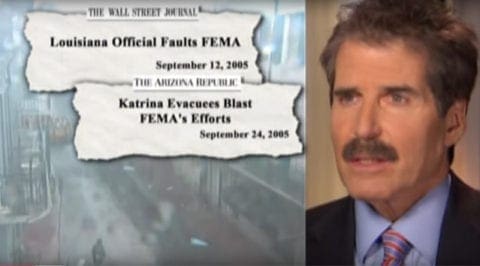
Are businesses that raise prices in an emergency evil? Do they take advantage of desperate people? Or, does the common understanding of price gouging miss a crucial point? Examine the concept of price gouging and learn how it can help ensure the availability of essential goods. Through insights from Nobel Prize-winning economist Milton Friedman, this video challenges viewers to rethink the morality and economics behind price controls during emergencies.

Join our mailing list to unlock immediate access to these resources. You may unsubscribe at any time. If you’ve previously unsubscribed, your status will remain unchanged.
To help ensure our emails reach your inbox, you may provide a personal email address to bypass school spam filters.


Grade level and subjects
• Recommended for grades 6-12
• Subjects: Economics
• Works in Classroom, Hybrid, and Homeschool settings
What students will learn
By the end of this lesson, students will be able to:
• identify the key arguments presented in the video for and against price gouging during emergencies;
• explain how price gouging can influence the availability of essential goods during a crisis; and
• evaluate the ethical implications of price gouging and propose a well-supported position on whether it should be allowed during emergencies.
Key concepts and terms covered
Economics, Price Gouging, and Supply and Demand.
Sample discussion questions
• What is price gouging?
• Why does “perceived value” change based on circumstances? For instance, would you be willing to pay more for an umbrella in the pouring rain or on a sunny day? Why?
• What are some examples of price gouging mentioned in the video, and what were the results? 10.Why does Milton Friedman declare that price gougers are doing something good? 11.What could happen if the government sets strict price controls during an emergency?
• How can understanding the economic principles of supply and demand help you form an opinion on price gouging and price control laws?
• After watching the video, would you vote in favor of anti-gouging laws in the event of an emergency or against? Explain.
What’s in the free teacher’s guide
This printable 14-page Teacher's Guide includes a lesson description, learning objectives, key vocabulary, a fill-in viewing guide with answer key, discussion and analysis questions, and classroom activities.
Standards alignment
Aligned to state standards — use the SITC Standards Tool to match this video to the standards in your state.
 Teacher’s Guide
 Google Quiz
 Printable Quiz
 Kahoot
 Video Download