 MiniGuide (includes Discussion Questions)

Want More Resources Like This?
Get new videos and resources delivered to your inbox. Always free. Unsubscribe anytime.
Want More Resources Like This?
Get new videos and resources delivered to your inbox. Always free. Unsubscribe anytime.

Home > Video Library
Overview
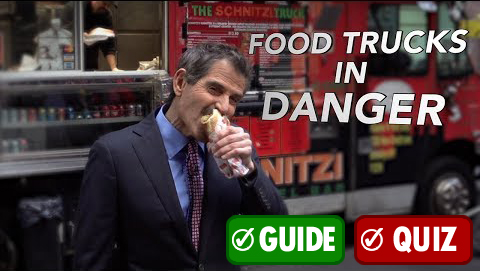
Why would a corporation want regulations on its industry? How do lobbyists influence government economic policies? How much lobbying is really just self-defense? What is really the cause of all so much lobbying, the government that has power over businesses or businesses seeking government protection? In this video, John Stossel examines cronyism.



Join our mailing list to unlock immediate access to these resources. You may unsubscribe at any time. If you’ve previously unsubscribed, your status will remain unchanged.
To help ensure our emails reach your inbox, you may provide a personal email address to bypass school spam filters.



Grade level and subjects
• Recommended for grades 6-12
• Subjects: Business, Government, and Economics
• Works in Classroom, Hybrid, and Homeschool settings
What students will learn
By the end of this lesson, students will be able to:
• define the crony capitalism (cronyism);
• discuss the growing influence of lobbyists and the reasons for it;
• propose a course of action to reduce or eliminate cronyism; and
• evaluate the effect of cronyism on businesses and consumers.
Key concepts and terms covered
Regulation, Innovation, Crony Capitalism / Cronyism, Bribe, Monopoly, and Lobbying.
Sample discussion questions
• Mark Zuckerberg agrees with lawmakers that Facebook has “too much power over speech.” What does he mean by this? Do you agree?
• Mark Zuckerberg said that he would work with the government to develop internet regulations. Is that appropriate? How does that relate to cronyism?
• John Stossel said that big companies often favor regulation, because it disproportionately hurts their smaller competitors. Why is this? Should government be enacting laws that hurt small businesses? Should government be involved at all? Why/Why not?
• Do you believe society would experience greater innovation and wealth creation with or without government regulation? Why?
• What did you learn from this video about lobbying?
What’s in the free teacher’s guide
This printable 8-page Teacher's Guide includes a lesson description, learning objectives, key vocabulary, a fill-in viewing guide with answer key, discussion and analysis questions, and classroom activities.
Standards alignment
Aligned to state standards — use the SITC Standards Tool to match this video to the standards in your state.
 Teacher’s Guide
 Google Quiz
 Printable Quiz
 Kahoot
 Video Download