 MiniGuide (includes Discussion Questions)

Want More Resources Like This?
Get new videos and resources delivered to your inbox. Always free. Unsubscribe anytime.
Want More Resources Like This?
Get new videos and resources delivered to your inbox. Always free. Unsubscribe anytime.

Home > Video Library
Overview
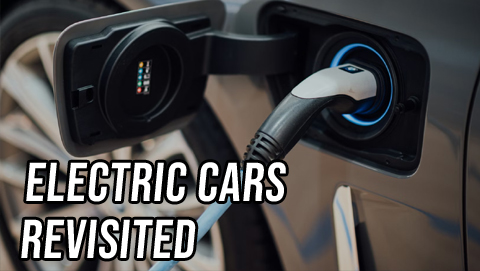
Are electric cars the future? Part 2 of our series on electric cars uncovers more “inconvenient facts.” Did you know that batteries, despite their advancements, still can’t match the energy density of oil? Can we rely solely on renewable energy to power all our electric vehicles? And what happens when the electric grid can’t handle the load of millions of electric cars? Delve into the complexities of the electric car revolution with expert insights and eye-opening revelations.






Join our mailing list to unlock immediate access to these resources. You may unsubscribe at any time. If you’ve previously unsubscribed, your status will remain unchanged.
To help ensure our emails reach your inbox, you may provide a personal email address to bypass school spam filters.



Grade level and subjects
• Recommended for grades 6-12
• Subjects: Government and Science / Technology
• Works in Classroom, Hybrid, and Homeschool settings
What students will learn
By the end of this lesson, students will be able to:
• identify the key challenges associated with battery technology and the electric grid in the context of electric vehicle adoption;
• discuss the relationship between energy storage limitations in batteries and the feasibility of widespread electric vehicle usage, considering factors such as energy density, infrastructure requirements, and environmental impact;
• evaluate the effectiveness of proposed solutions for addressing the strain on the electric grid caused by increasing numbers of electric vehicles, weighing the benefits and drawbacks of various strategies; and
• assess the future of electric vehicles, considering factors such as energy sources, infrastructure development, and sustainability goals.
Key concepts and terms covered
Energy Density, Propaganda, Renewable Energy, Strain, and Transition.
Sample discussion questions
• What are some facts mentioned in the video about electric cars?
• How might the strain on the electric grid affect people’s daily lives?
• What ethical considerations should be considered when discussing the transition to electric vehicles? How should we consider the needs of people in other countries to elevate their standards of living through the use of energy?
• How might government mandates for electric vehicles impact individuals who rely on traditional vehicles for their livelihoods?
• How can individuals advocate for more realistic and achievable government policies regarding the transition to electric vehicles?
What’s in the free teacher’s guide
This printable 9-page Teacher's Guide includes a lesson description, learning objectives, key vocabulary, a fill-in viewing guide with answer key, discussion and analysis questions, and classroom activities.
Standards alignment
Aligned to state standards — use the SITC Standards Tool to match this video to the standards in your state.
 Teacher’s Guide
 Google Quiz
 Printable Quiz
 Kahoot
 Video Download