Quick Tip: SITC.org’s Lessons in Lyrics videos teach economics and civics through original songs in four genres (Pop, Rap, Country, and Rock), each with a teacher’s guide. Perfect for the end-of-year attention crash.

Barbara Oakley best-selling author

It’s week thirty-six. Your curriculum is technically complete. The final grades are in. There are six instructional days left on the calendar and three of them are going to be eaten by field day, an assembly, and whatever unplanned chaos the office schedules on Wednesday.

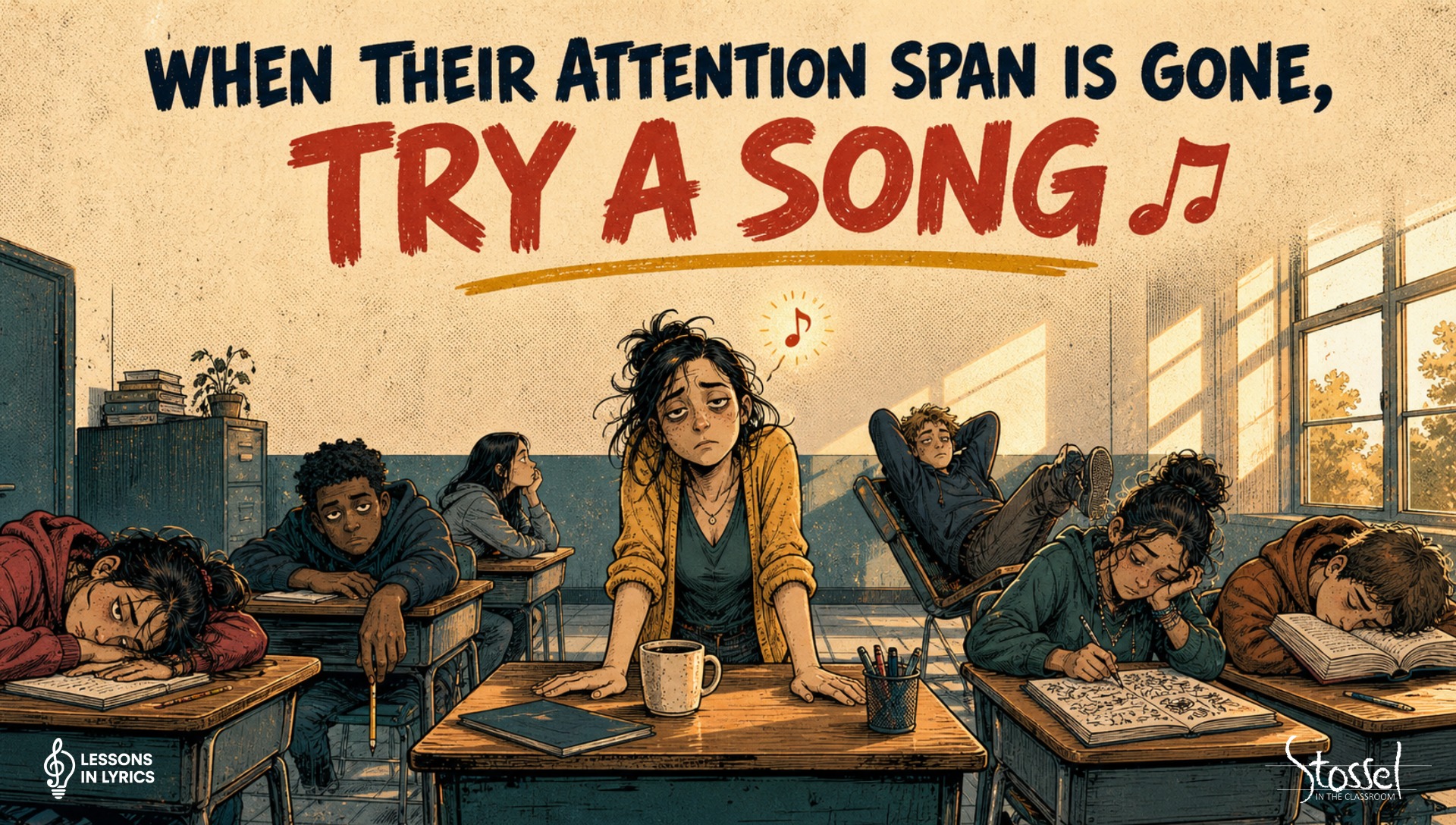
Your students have officially checked out. You know the look. The glazed stare. The kid who asks, “Is this going to be on a test?” in a tone that makes it clear he already knows the answer. The girl who’s started treating her backpack like a purse because everything else is already packed.

You have, somehow, forty-five minutes to fill. And a lecture is going to land like a brick thrown into a pool. (You know this. You’re not going to lecture. But now what?)

    Subscribe Now to Stay in the Loop

    Stay updated on new videos, fresh resources, and student contest announcements.


    Why Music Gets Through When Nothing Else Does

    There’s a reason we still remember the ABCs, and the Preamble set to the Schoolhouse Rock tune, and every Taylor Swift bridge we ever halfway heard. Music sneaks past the part of the brain that’s decided it’s done for the year. A song doesn’t feel like a lesson. It feels like a break. And then, quietly, while the kids are tapping pencils along with the beat, the content goes in.

    This is not new pedagogy. This is how humans have been teaching kids things since we had fires to sit around. What is new is that you have a ready-made, free set of classroom-appropriate songs built specifically to do this for civics and economics content they were supposed to learn this year anyway.

    Lessons in Lyrics, Explained in One Paragraph

    SITC.org produces a growing library called Lessons in Lyrics. Each one is a short original song — actually produced, actually singable, actually in a genre a teenager might listen to — that teaches a core economic or civic concept. The library currently covers “Creative Destruction” (horse-drawn carriages to delivery drones, what happens when old industries fall and new ones rise), “Rule of Law,” “Incentives Matter,” and “There’s No Such Thing as a Free Lunch,” with more on the way. Each video comes with a teacher’s guide (vocabulary, discussion questions, activity ideas) in case you want to do more than just play it. But you don’t have to do more than just play it. The song itself does real work.

    Four Ways to Use a Song in the Last Two Weeks

    You don’t need a lesson plan. You need a few flexible moves for a few different situations. Here’s what works:

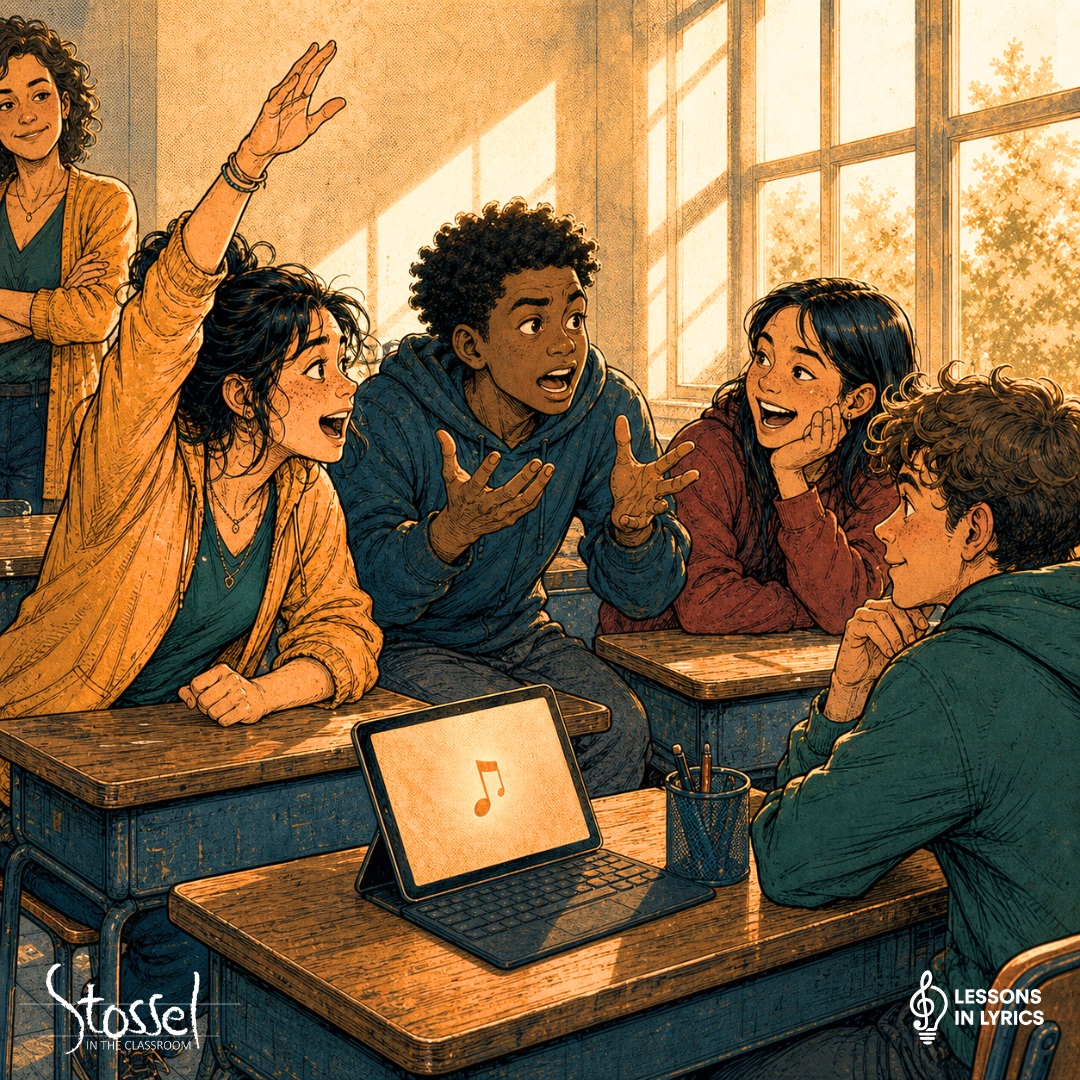
    As a warm-up. Play the song at the start of a class, no setup. Ask one question afterward: “What do you think this song is actually about?” Let the kids argue. The quieter students will sometimes jump in on this because it feels more like a conversation about music than an academic discussion. You’ve just bought yourself fifteen minutes of genuine engagement on incentives without anyone feeling like class has officially started.

      As a gap-filler. Lost a chunk of class to an unexpected fire drill or a schedule change? Play a song. Follow it with a three-minute debate: “Do you agree with the song? Why or why not?” Done. You’ve turned a twenty-minute orphan block into actual instruction.

      As a concept debate. This is the secret weapon. Play two different Lessons in Lyrics videos back-to-back — say, “Creative Destruction” and “Rule of Law” — and ask students to argue which song makes its point more effectively and why. Suddenly you’ve got a classroom of seventh-graders making legitimate arguments about rhetoric, audience, and tone — skills your ELA colleague has been trying to reinforce all year. And they think they’re just arguing about music.

    As the write-your-own challenge. For the classes that still have a pulse, give them the concept from one of the Lessons in Lyrics videos — creative destruction, rule of law, incentives, no such thing as a free lunch — and ask them to write their own chorus. Four lines. Any genre. Bonus points for rhyming. You’ll get some terrible attempts, a few genuinely funny ones, and at least two students who will surprise you. All of them will remember the concept.

    The Permission Slip You Needed

    Here’s the part I want to say directly, because a lot of us need to hear it: it’s okay to be playful in the last weeks of school.

    The curriculum is taught. The assessments are graded. You spent nine months laying down the serious work, and now, you’re done. Almost. These last days are the cooldown lap, and the cooldown lap is no less important than the race. It’s when students are most open to remembering what they liked about the year, and the thing they remember — fairly or not — is often the last thing that happened.

    Give them a last thing worth remembering. 

    A song they can still half-sing on the bus home is content that stuck. A debate about whether “Creative Destruction” or “Rule of Law” makes its case more effectively is a debate about economics and civics, whether or not they ever call it that. A kid who walks out of your class in June humming about incentives is a kid who will hear the word “incentive” in a news story next November and have a mental hook for it.

    One Last Thing

    You’ve earned a little fun. So have your students. The Lessons in Lyrics collection is free, it’s short, it’s built for exactly this moment in the calendar, and no one has to grade anything at the end.

    Play a song. Ask a question. Let them discuss and debate. That’s the lesson.

    Go finish strong.