

Home > Video Library
Overview
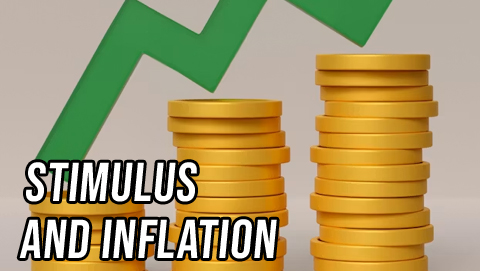
Are we on the path to bankrupting America? This video explores the largest stimulus bill in U.S. history, highlighting controversial spending, bipartisan support, and the critical problem of national debt. Students will consider whether printing more money, defaulting, or raising taxes could solve the debt crisis—or if these options only make things worse.





Join our mailing list to unlock immediate access to these resources. You may unsubscribe at any time. If you’ve previously unsubscribed, your status will remain unchanged.
To help ensure our emails reach your inbox, you may provide a personal email address to bypass school spam filters.


Grade level and subjects
• Recommended for grades 6-12
• Subjects: Government and Economics
• Works in Classroom, Hybrid, and Homeschool settings
What students will learn
By the end of this lesson, students will be able to:
• list the key components and controversial items included in the largest stimulus bill in U.S. history;
• summarize the potential economic consequences of the national debt as discussed in the video; and
• compare the different strategies for managing national debt, such as printing money, defaulting, or raising taxes.
Key concepts and terms covered
Budget Deficit, Default, Inflation, Eroding purchasing power, Modern Monetary Policy, National Debt, and Stimulus Bill.
Sample discussion questions
• What are some key components of the large stimulus bill mentioned in the video?
• Why is printing more money not a good solution according to the video?
• How do different political parties view the issue of national debt?
• How do the spending decisions in the stimulus bill reflect different priorities in government?
• If you were in charge, what alternative plan would you create to manage the national debt and why?
What’s in the free teacher’s guide
This printable 11-page Teacher's Guide includes a lesson description, learning objectives, key vocabulary, a fill-in viewing guide with answer key, discussion and analysis questions, and classroom activities.
Standards alignment
Aligned to state standards — use the SITC Standards Tool to match this video to the standards in your state.