 MiniGuide (includes Discussion Questions)

Want More Resources Like This?
Get new videos and resources delivered to your inbox. Always free. Unsubscribe anytime.
Want More Resources Like This?
Get new videos and resources delivered to your inbox. Always free. Unsubscribe anytime.

Quick Resources: Both Sides of the Issue: Term Limits, Both Sides: Citizens United, the Elections module, and the In the Other Person’s Shoes lesson plan, all free at SITC.org.

Stay updated on new videos, fresh resources, and student contest announcements.
It’s the morning after Election Day. You haven’t finished your coffee, and first period has already sorted itself into teams.
One student walks in doing a victory lap. Another is slumped so low in his seat he’s practically on the floor. Someone is repeating a hot take from last night’s dinner table, word for word, with the same hand gestures. And at least one student wants to know why any of this matters if “nobody even voted for president.”
(Someone always asks that during a midterm year. Bless that student.)
You have options. You can ignore it and start the lesson. You can ban politics for the day. Or you can use it, because the morning after an election is one of the best civics lessons of the year, and it shows up without a lesson plan.
Here’s something students rarely hear: an election doesn’t decide which side is correct. It decides who gets to make decisions for the next two, four, or six years. That’s it. The arguments keep going. They’re supposed to.
That distinction matters, because the whole system rests on one quiet promise. The people who lose agree to accept the result and try again next time. Not because they changed their minds. Because they trust the rules more than they fear the other side.

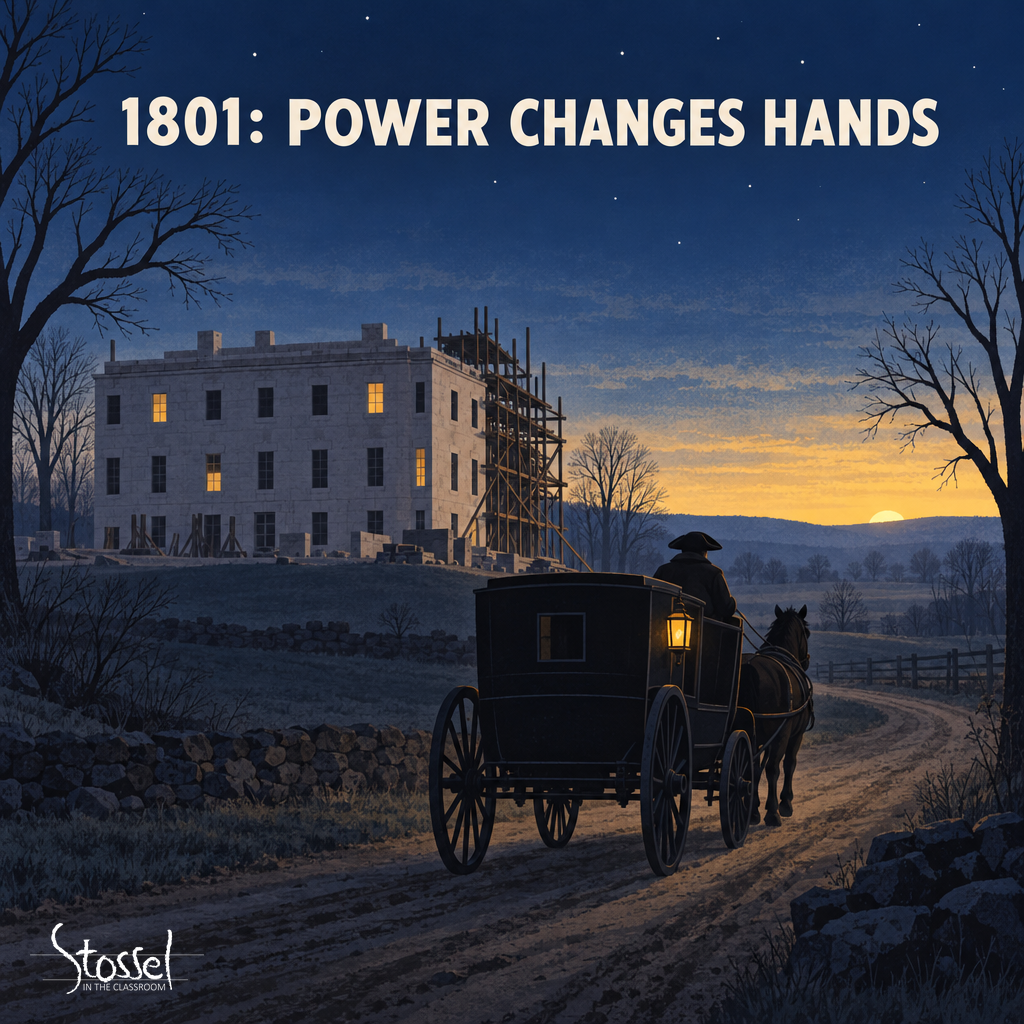
In 1801, John Adams handed the presidency to Thomas Jefferson after one of the nastiest campaigns in American history. Adams left Washington before dawn on Inauguration Day and skipped the ceremony. Not exactly gracious. But he went. Power changed hands peacefully between bitter rivals, and the country has been doing it ever since.
Midterms are part of that same design. The Founders gave House members two-year terms on purpose, so voters could weigh in often. Every House seat and about a third of the Senate were on the ballot. That’s not a sideshow to the presidential race. That’s the people checking in.
So whoever won, the students who are disappointed today are part of a long tradition. Grumbling is allowed. Accepting the result is the part that counts.
Day-after conversations tend to get stuck on the players. Who won, who lost, and who’s terrible. That’s the conversation that ends friendships. It’s also the one that fills your inbox with parent emails.
So move the conversation from the players to the rules of the game.
Students who will never agree about a candidate can have a terrific argument about how elections should work. And the morning after is when they care the most, because they just watched the rules in action.
Two of SITC.org’s Both Sides pairings are made for this.
Both Sides: Term Limits asks whether members of Congress should face a limit on how long they can serve. One video makes the case that term limits are popular in theory and ineffective in practice. The other lays out the argument for them. Frustrated students tend to reach for term limits first. (“Vote them all out!”) The pairing pushes them further. Would limits really reduce the number of career politicians? Is that a good thing, or do we need lawmakers with experience? How would it affect partisanship?
Both Sides: Citizens United, new this year, takes on the money. Every election season, students hear about record campaign spending, and the U.S. Supreme Court’s 2010 decision in Citizens United v. FEC gets a lot of the blame. One video argues that corporations have ended up with more rights than people. The other covers what you probably haven’t heard about the case. Is spending money on political ads a form of speech? Should a corporation, a union, or a nonprofit group have the same speech rights as an individual? Students rarely agree, and that’s exactly the point.
Both pairings come with discussion questions, so you don’t have to build the conversation from scratch.
This fifteen-minute activity works best the morning after, while feelings are still fresh.
The rules that survive both votes are the ones worth fighting for. The rules that only work when your team is winning? Those aren’t really about fairness. They’re about winning.
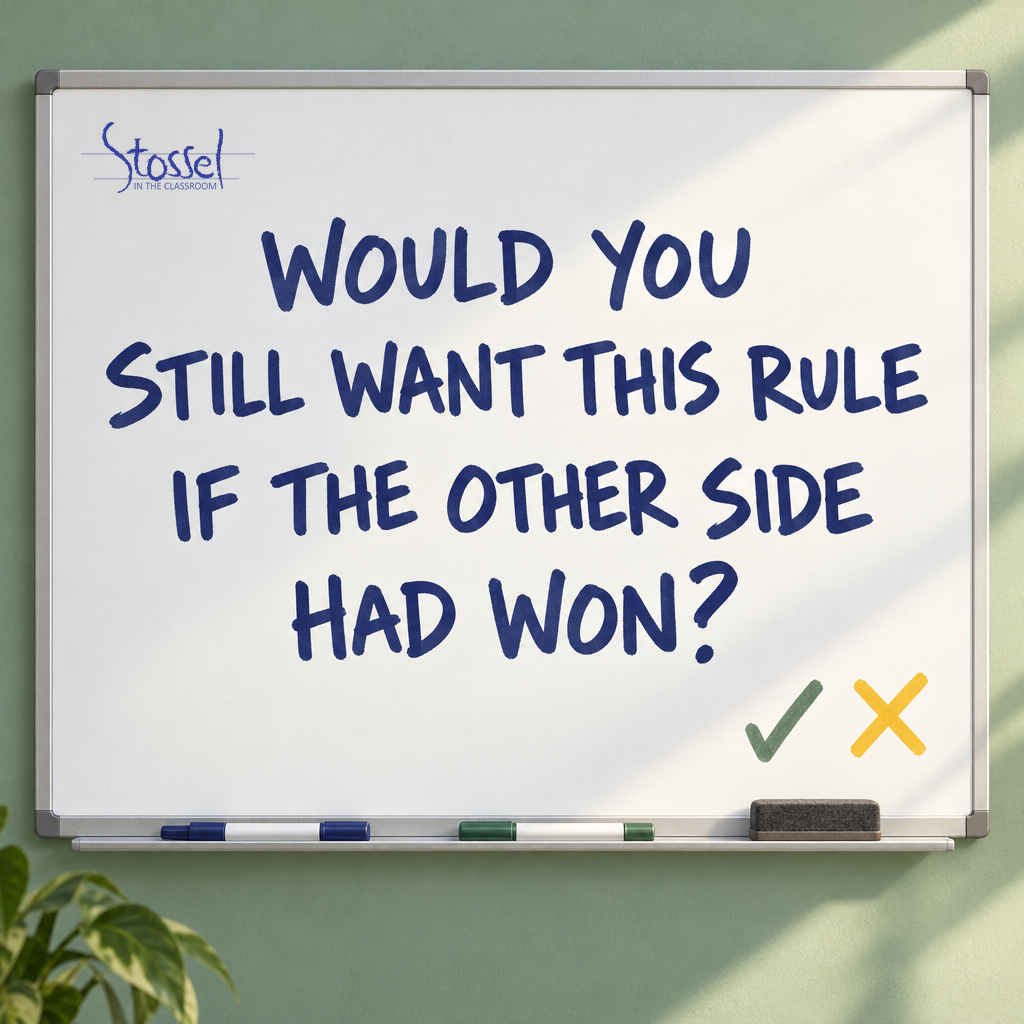
Most students figure that out on their own. It’s a powerful thing to watch.
Then wrap up with a few questions:
It might. Elections feel personal, and some of your students are carrying more stress from home about the results than you’d guess.
If the temperature rises, the In the Other Person’s Shoes technique from SITC.org’s Undivide Us lesson plan is a reliable reset. Instead of defending their own views, students explain why a specific classmate might see the issue differently. Then that classmate says what the first student got right. It’s hard to stay angry at someone who just described your view fairly.
And if your class wants to keep going past the day after, the Elections module pulls together more resources, including Both Sides: The Value of Voting and Both Sides: Should Voting Be Mandatory?
The student who walked in doing a victory lap will lose an election someday. The one slumped in his seat will win one. That’s how this works.
In two years, the country will do it all again, and some of the students in your room will be old enough to vote. The habits they build now are the ones they’ll carry to the polls. Winning without gloating. Losing without quitting.
Not who they vote for. How they live with the result.
That’s a lesson worth a morning.
 Teacher’s Guide
 Google Quiz
 Printable Quiz
 Kahoot
 Video Download